Discovering the Versatile Uses of Sugar Cane Beyond Sweeteners
Sugar Cane is often connected exclusively with sugar, yet its applications expand much past. This functional plant plays a critical role in various industries, consisting of biofuels and bioplastics. In addition, its fibers add to lasting building and construction and fabrics. The economic implications of sugar Cane manufacturing even more highlight its importance. As advancements proceed to emerge, the capacity of sugar Cane to drive financial and ecological developments becomes increasingly apparent. What various other shocks does this durable plant hold?
The Duty of Sugar Cane in Biofuels
As countries look for sustainable power resources, sugar Cane has become an important player in the biofuels market. This tropical plant is abundant in sucrose, which can be fermented to generate ethanol, an eco-friendly fuel alternative to nonrenewable fuel sources. The cultivation of sugar Cane for biofuel production not just decreases greenhouse gas exhausts yet also adds to power security, specifically in sugar-producing nations.
Sugar cane-derived ethanol can be blended with fuel, boosting its octane rating and lowering dependence on non-renewable resources. The results of sugar Cane processing, such as bagasse, are valuable for producing power, making the entire production cycle energy-efficient.
Research study continues to discover innovative methods for optimizing energy return from sugar walking cane, solidifying its role in the change to cleaner power options. As worldwide need for sustainable gas boosts, sugar Cane stands apart as an essential component of the biofuel sector.
Sugar Cane as a Source of Bioplastics
The ecological impacts of plastic contamination are increasingly worrying, sugar Cane offers an encouraging alternative as a source of bioplastics. Stemmed from renewable sources, bioplastics made from sugar Cane can considerably reduce reliance on petroleum-based plastics. These bioplastics are created through the fermentation of sugars extracted from the walking cane, resulting in products that can be compostable or biodegradable, depending on their formula.
The usage of sugar Cane bioplastics not only lessens carbon emissions yet additionally promotes lasting farming methods. By using farming waste and by-products, the overall environmental footprint of production is minimized. In addition, items made from sugar Cane bioplastics can perfectly integrate right into existing waste administration systems, dealing with worries concerning waste build-up.
As markets look for sustainable services, sugar cane-based bioplastics represent a viable option that straightens with worldwide efforts to fight plastic contamination and promote a circular economic climate.
Medicinal Applications of Sugar Walking Cane
Sugar Cane is recognized for its antioxidant homes, which add to numerous health and wellness benefits. In addition, it has actually been made use of in typical treatments across societies, highlighting its relevance in alternative medicine. These features highlight the potential of sugar Cane in the area of medicinal applications.
Antioxidant Features of Walking Cane
Countless researches have exposed that sugar Cane has substantial antioxidant buildings, making it a valuable part in medicinal applications. The phenolic compounds located in sugar walking stick, such as flavonoids and phenolic acids, add to its capacity to reduce the effects of free radicals, consequently minimizing oxidative stress and anxiety in the body. This antioxidant activity is connected to various health and wellness benefits, consisting of enhanced cardiovascular health and wellness and improved immune feature. Additionally, sugar Cane removes have been shown to exhibit anti-inflammatory impacts, which can even more sustain overall health. By combating oxidative damages, sugar Cane might contribute in the prevention of chronic diseases, making it a fascinating topic of study for its prospective healing usages in contemporary medicine.
Conventional Remedies and Makes Use Of
While modern medication usually relies on synthetic compounds, typical remedies utilizing sugar Cane emphasize its historical relevance in different cultures. In many exotic regions, sugar Cane juice has been made use of as a natural remedy for ailments such as dehydration and digestive system issues. Its high water web content and vital nutrients make it a preferred treatment for urinary system tract infections and kidney rocks. In addition, sugar Cane is believed to have anti-inflammatory residential properties, aiding in the relief of respiratory problems and sore throats. Herbal remedies typically incorporates sugar Cane in concoctions to enhance energy and enhance overall well-being. These olden practices highlight the adaptability of sugar walking cane, extending its value beyond sweet taste to encompass health and wellness and health applications.
Eco-Friendly Building And Construction Products From Sugar Walking Stick
Sugar walking cane, commonly identified for its sweet yield, is getting focus as a resource of environmentally friendly construction products. These materials provide lasting building services, featuring naturally degradable composites that reduce ecological influence. Furthermore, sugar cane-derived products offer efficient insulation properties, boosting power performance in structures.
Sustainable Structure Solutions
As the global need for lasting building materials increases, ingenious solutions obtained from sugar Cane have actually emerged as a feasible option. This eco-friendly source presents various applications in environment-friendly building services, especially with its byproducts. Sugar Cane fibers, understood for their stamina and durability, can be made use of in creating insulation materials and composite panels. Furthermore, the juice and molasses from sugar Cane can be refined right into bio-based adhesives, decreasing reliance on petroleum-based products. Using sugar Cane not only decreases waste however likewise adds to decrease carbon emissions during manufacturing. In addition, including these products right into building and construction methods supports the circular economic climate, advertising sustainability while resolving the pushing environmental challenges faced by the building market.
Eco-friendly Composite Materials
Biodegradable composite products have amassed focus as sustainable choices in building and construction, specifically those acquired from sugar walking cane. These materials use the coarse by-products of sugar walking cane, such as bagasse, to create composites that are both solid and light-weight. By integrating these all-natural fibers, manufacturers can produce materials that decrease reliance on non-renewable resources and conventional plastics. The lasting nature of sugar Cane compounds not only reduces ecological effect but additionally sustains agricultural economies by giving added income streams for farmers. In addition, the biodegradability of these compounds guarantees that they do not add to lasting waste in landfills. As the construction industry looks for greener options, sugar cane-derived compounds provide an encouraging path toward more environmentally friendly structure techniques.

Insulation Residences and Perks
The insulation homes of environment-friendly building and construction products acquired from sugar Cane deal considerable advantages in energy effectiveness and environment control. Sugar Cane fibers possess all-natural protecting high qualities that help control indoor temperatures, reducing the demand for extreme heating or cooling. This characteristic adds to decrease energy consumption, promoting sustainability in building techniques. On top of that, making use of sugar cane-based insulation products is beneficial for interior air high quality, as they are less most likely to produce volatile natural substances (VOCs) contrasted to typical insulation items. In addition, these materials are eco-friendly, straightening with eco-conscious building and construction goals. As the building sector seeks greener options, sugar cane-derived insulation stands apart as a promising remedy that combines functionality with ecological duty, sustaining both energy financial savings and eco-friendly conservation.
Sugar Cane in the Textile Industry
Often forgotten, sugar Cane plays a substantial function in the fabric market, mostly with the production of sustainable fibers. These fibers, derived from the plant's by-products, are significantly recognized for their environment-friendly properties. Sugar Cane fibers, such as bagasse and sisal, are eco-friendly and sturdy, making them appealing choices to traditional artificial fibers.
Their use in fabrics advertises sustainability by look at here decreasing dependence on petroleum-based materials while also supplying an opportunity for waste reduction from sugar manufacturing. In addition, advancements in textile processing have actually allowed suppliers to blend sugar Cane fibers with other materials, boosting the overall high quality and convenience of textiles.
This change towards incorporating sugar Cane in fabrics shows a broader fad in the sector, going for environmentally accountable methods. As need for sustainable products continues to rise, sugar walking cane's function in textiles might expand, supplying both financial and environmental advantages.
Nutritional Perks and Pet Feed
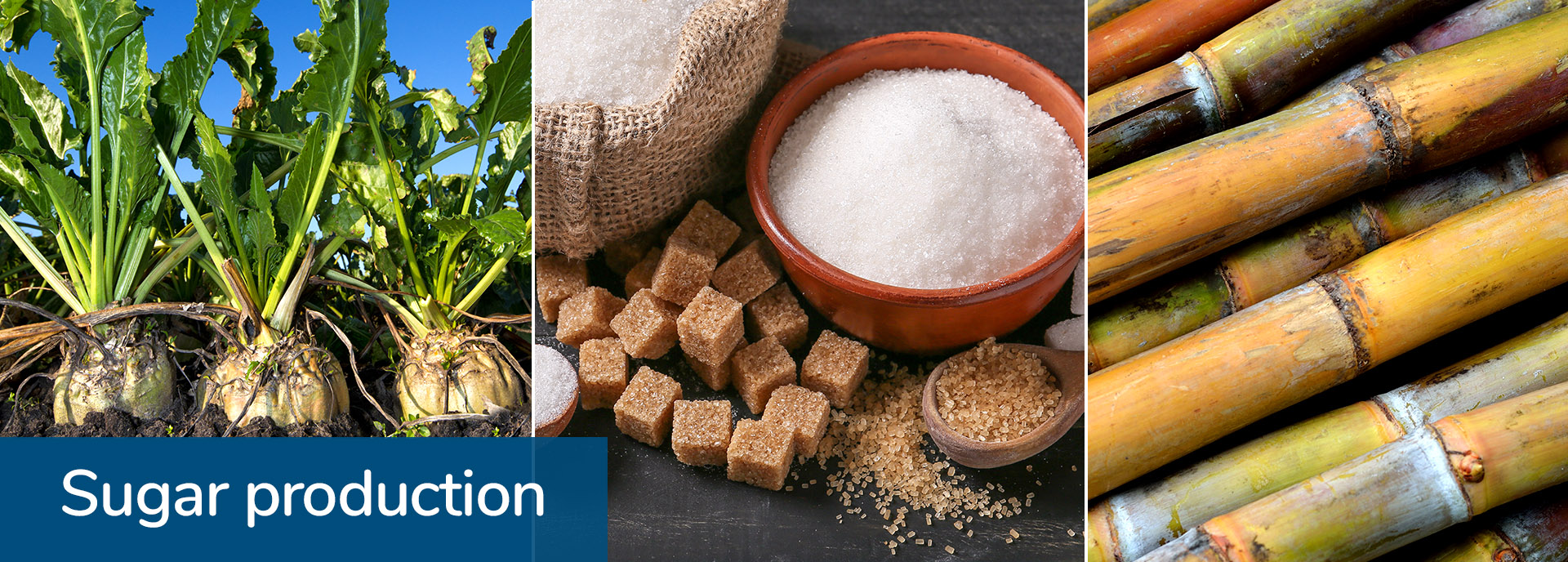
Additionally, sugar Cane consists of important minerals and vitamins that boost the nutritional profile of pet feed, boosting resistance and overall wellness. Its pleasant preference and palatability make it an appealing feed choice, urging feed consumption among animals. By including sugar Cane right into their diet plans, animals producers can reduce reliance on conventional feed sources, possibly reducing feed costs while keeping pet health and wellness and productivity. Subsequently, sugar Cane arises as a nutritious and lasting choice in the field of pet farming.
The Economic Effect of Sugar Cane Manufacturing
While lots of farming commodities add to regional economic situations, sugar Cane manufacturing stands apart due to its significant economic impact throughout various regions. This functional plant not just gives job opportunity in handling, distribution, and farming however additionally sustains supplementary industries such as transportation and manufacturing. In nations like Brazil and India, sugar Cane is an important driver of rural growth, see this here cultivating financial stability and improving resources.
The by-products of sugar cane, consisting of ethanol and molasses, better expand income streams, creating extra markets and minimizing dependency on conventional sweeteners - What Is Sugar Cane Used For. Moreover, as worldwide need for renewable resource surges, the function of sugar Cane in biofuel manufacturing is becoming increasingly popular, attracting investments and increasing regional economic climates. In general, the economic implications of sugar Cane manufacturing are extensive, influencing both local job markets and broader financial trends in areas reliant on this crucial plant
Regularly Asked Concerns
How Is Sugar Cane Processed Into Biofuels?
The processing of sugar Cane right into biofuels entails extracting juice, fermenting it right into ethanol, and refining the item. This technique takes advice advantage of the plant's natural sugars, transforming them right into renewable resource sources for numerous applications.
What Are the Environmental Advantages of Making Use Of Sugar Walking Stick?
The ecological benefits of making use of sugar Cane consist of decreased greenhouse gas exhausts, improved dirt health via sustainable farming techniques, and reduced reliance on fossil gas, which collectively add to an extra sustainable and eco-friendly agricultural system.

Can Sugar Cane Be Expanded in Any Type Of Environment?

Sugar Cane grows in exotic and subtropical climates, requiring warm temperatures, enough sunlight, and adequate rainfall. Its growth is limited in cooler regions, making it inappropriate for warm or arctic environments where frost takes place.
What Are the Historical Usages of Sugar Cane?
Historically, sugar Cane served various purposes beyond sweetening - What Is Sugar Cane Used For. It was made use of for creating rum, as a source of biofuel, in traditional medicine, and for crafting materials like paper and molasses, showcasing its varied applications throughout various cultures
Just How Does Sugar Cane Influence Citizen Economies?
The influence of sugar Cane on neighborhood economies is considerable, supplying employment, increasing agricultural industries, and promoting trade. Its cultivation supports rural incomes and stimulates local markets, adding to overall financial growth and area advancement.
The economic effects of sugar Cane manufacturing additionally highlight its importance. Acquired from eco-friendly resources, bioplastics made from sugar Cane can significantly reduce reliance on petroleum-based plastics. Naturally degradable composite materials have actually gathered interest as lasting options in construction, specifically those obtained from sugar walking cane. These products utilize the coarse byproducts of sugar cane, such as bagasse, to produce compounds that are both lightweight and solid. While many agricultural products contribute to neighborhood economic situations, sugar Cane manufacturing stands out due to its considerable economic effect across different areas.